Study Drinks and Bar Service Online
The bars and beverages industry is vast and an exciting sector to work in, but it does require you to have a variety of different skills. You could be:
- Serving hot and cold, alcoholic and non alcoholic drinks
- Taking orders for food
- Providing recommendations to customers
- Upselling products to increase sales
- Communicating with waiting and kitchen staff
- Cleaning equipment and furnishings
- Developing relationships with customers
This course has been designed to provide basic knowledge about bar service, and is suitable for anybody wanting to work in:
- Pubs
- Hotels
- Resorts
- Cafes with liquor licenses
- Private member clubs
- Sports clubs
Working in bars provides you with lots of opportunities to work anywhere in the world, so why not improve your knowledge with this course!

Lesson Structure
There are 7 lessons in this course:
-
Introduction, industry orientation, presentation, bar equipment, layout, creating a menu, the law, staff qualities, hygiene and cleaning, dealing with staff, beverage dispensing equipment, glasses.
-
Alcoholic Products – Beer, brewing process, lager, beer mixes, wines, types of wine, storing wines, spirits, liqueurs, aperitifs.
-
Non-Alcoholic Beverages – Coffee, coffee blend, coffee grinding, coffee variations, tea, speciality tea, herbal tea, spiced teas, storing teas, brewing tea, water.
-
Service Procedures – Dealing with customers, addressing customers, during service, recording, waiting, carrying plates, using a service plate, carrying glasses, carrying trays, handling food, guidelines for maintaining hygiene, money issues, using a cash register, accounts, tipping, refusing service, understanding substance abuse disorders, alcohol abuse.
-
Mixing Drinks – Cocktails, mixing cocktails, bar flairing, terminology, general hints, measures, liqueur coffees.
-
Wine – Wine selection, wine presentation, opening wine, serving wine, wine grapes, grape varieties, beverage list, serving temperatures.
-
Bar Service and Problem Based Learning Project – In this lesson, students are required to carry out a project to develop a new and innovative bar service.
Aims
-
Develop a broad understanding of the industry
-
To be familiar with the range of alcoholic products found commonly in a bar.
-
To be familiar with the range of non alcoholic drinks available at bars.
-
Develop an understanding how to provide improved service to bar customers.
-
Develop an ability to mix a range of drinks
-
Develop an understanding and appreciation of different wines.
What You Will Do
-
There are six assignments that will need to be submitted relating to the lessons that you study.
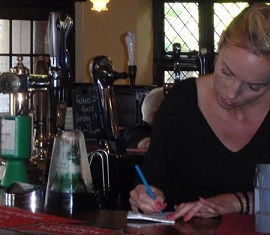 Tips for Working at a Bar
Research has shown that many consumers are ignorant of the information on a wine label. Being afraid to display their ignorance, they often choose wines that are familiar with generic names.
A good wine list will have a range which satisfies all needs, with some generic wines, and some others, for connoisseurs. There should be variety in the price range and type. Be sure to include dry, medium & sweet wines; reds, whites, and sparkling. You may also offer Rosé.
When choosing wines for a wine list, it is wise to have a few tried and true labels that are familiar to a majority of people as many people may feel safe with them. It is also good to add some interesting flavours to the list by including some quality drops from exotic places such as a Pinotage from South Africa, or a Pinot Gris from Alsace. This may work to stimulate some discussion during the wine selection process and can help to establish a good rapport between a learned staff member and their customers.
Other drinks, where appropriate, should also be offered. Always include some non alcoholic drinks including cold drinks such as fruit juice or cola, as well as coffees and teas.
You should also consider offering drinks to complement the menu or style of restaurant. In a Greek restaurant, customers may expect to find "Ouzo", in an Italian restaurant they may expect "Lambrusco" and in a Spanish restaurant they may expect to find “Sangria”. Fruit cocktails may be more appropriate in a "tropical resort style" restaurant.
It is generally illegal to serve alcoholic drinks in any way without a license. You must check out and comply with appropriate laws for the state or country you operate in.
It is also useful to be able to offer low alcohol content drinks. There are many vineyards now producing low alcohol and low sugar sparkling and white wines.
If you have a personal interest or would like to extend your knowledge about wine and its accompaniments it is a good idea to undertake a wine tasting course. This will help you to understand the labels, the different flavours and aromas as well as how they complement certain foods. The following are considered to be complementary. This list is in not exhaustive and the complementary wines can vary depending on the vineyard and the age of the wine.
- Hors d'oeuvre - Dry White Burgundy, Riesling, Alsace
- Antipasto - Light or dry sherry
- Oysters - Sparking Wine, Premier Grand Cru, Verdelho
- Soup - Dry Sherry
- Lobster - Hock, Pinotage
- Seafood - Chardonnay, Sauvignon Blanc, Riesling
- Fish - Chenin Blanc, Late Harvest (Sweet), Riesling
- Grills - Cabernet Sauvignon, Dry Red, Merlot
- Beef - Burgundy, Vino Rood, Vin Rouge
- Pork - Chianti, Merlot, Chardonnay
- Lamb - Grenache, Bordeaux, Cabernet Sauvignon
- Chicken - Chardonnay, Sauvignon Blanc, Sangiovese, Pinot Gris
- Oriental - Shiraz, Muscat
- Game Birds - Claret, Shiraz
- Game (furred) - Burgundy, Shiraz
- Salad - Sauvignon Blanc, Pinot Gris
- Sweets - Champagne
- Dessert - Sweet Wine, Sweet Sherry, Port, Muscat
- Cheese platter* - Red Wine, Port
* the choice of wine to complement cheese will depend on the type of cheese.
Many people will, of course, eat and drink in combinations other than these, perhaps because of their different tastes, or perhaps through a lack of experience and having become accustomed to these traditional combinations.
WHY STUDY WITH US?
There are lots of reasons why you should study with us:
- The more knowledge you have as a bar person, the more confident you feel in your service delivery
- You will learn about a vast array of different alcoholic and non-alcoholic drinks, showing employers that you have the knowledge to be a great asset to their team
- Employers expect employees to have excellent customer service skills, and this is enhanced by product knowledge
- We have experienced tutors who are happy to answer your questions, they love to share their knowledge with students!
- The course is flexible, perfect for someone working shifts and not being able to commit to the same time and day each week
TAKE THE NEXT STEP, AND ENROL NOW!
You can enrol on the course now, but if you have any questions about the content of the course or studying with ACS, then please get in touch with us today - use our FREE COURSE COUNSELLING SERVICE to get in touch with our expert tutors. They will be pleased to help you!