LEARN MORE ABOUT ECOTOUR MANAGEMENT
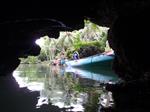 The environment is becoming a point of interest for many more people worldwide, and as such there is a greater interest in nature based tourism and outdoor adventure activities. The sector is vast but includes roles such as:
- Mountaineering guide
- Park ranger
- Tour guide
- Lodge manager
- Destination manager
This could be for an organisation such as:
- Resorts
- Hotels
- Local government agencies
- National parks
or for your own ecotour business.
Developing or managing an ecotour enterprise requires you to understand many different areas of business, as well as the specialist knowledge relating to the environment and ecology. If this is your goal, then this course is a great starting point for the information you will need. Enrol with us to learn more!
Lesson Structure
There are 9 lessons in this course:
-
Nature and Scope of Ecotourism
-
Definition of ecotourism
-
Negative ecotourism
-
Principles of ecotourism
-
Management Issues
-
Recreation and the environment
-
recreational impacts on the environment
-
ethical and legal concerns
-
code of practice for ecotourism operators
-
incorporating ecotourism principles into activities
-
interpretation
-
visitor guidelines
-
planning for minimal impact
-
quality control
-
Industry Destinations
-
The ecotourism market
-
what do ecotourists want?
-
trends in international tourism
-
understanding the needs of the consumer
-
consumer expectations
-
The Tour Desk/Office
-
Office procedures
-
providing information
-
employment prospects in ecotourism
-
bookings
-
business letters
-
telephone manner
-
Accommodation Facilities
-
Types of accommodation facilities
-
layout of facilities
-
Catering Facilities
-
Introduction to catering
-
accepted practice for service facilities
-
storing and preserving food
-
Legal Considerations
-
National Parks
-
land use/planning restrictions
-
code of practice
-
Safety
-
The safety strategy
-
hazards
-
first aid
-
Planning an Ecotourism Activity
-
A special project where the student plans out an ecotourism activity including:
-
budget
-
accommodation
-
licenses
-
meals
-
destination
Aims
-
Describe the scope of ecotourism experiences available.
-
Determine management issues related to ecotourism activities/enterprises, giving due consideration to environmental and ethical concerns.
-
Develop in the learner an awareness of ecotourism destinations in existence and possibilities (in the learner's country).
-
Explain the management and operation of an ecotourism office.
-
Explain the management of ecotourist accommodation facilities including:
-
Camp sites
-
Cabins
-
Caravans
-
Resorts
-
Identify catering options for different ecotourism activities.
-
Identify legal and statutory requirements for the establishment and operation of an ecotourism enterprise.
-
Identify/establish safety precautions/requirements/procedures for an ecotourism enterprise.
-
Plan for an ecotourism activity.
Considerations of Ecotourism Management
What do Ecotourists Want?
- Ecotourists do not want to be rushed; they want to take the time it takes to enjoy and experience the environment. It may be better to visit fewer places but spend more time at each.
- They do not want large groups
- They want to know that the area is looked after
- They do want to be educated about the environment and the local cultures.
- They want an authentic experience
Ecotourism Planning
When planning for tourism, always remember:
- Does tourism give your area what it desires in the long term?
- What facilities and attractions can your area offer the tourist?
- What economic and physical capacity does your area have to cater to tourists?
Ethical Ecotourism
In a natural environment, the tourist can frequently cause damage;
hence numbers need to be controlled if natural environments are not
going to deteriorate.
Ecotourism Accommodation
There are many different types of ecotour developments, ranging from small scale bed and breakfast operations to large eco-resorts. The following list is indicative of the range of ecotourist facilities:
Ecotourism uses the natural environment or culture of a given area as its primary attraction. However the developments may also include additions such as:
-
Toilet facilities
-
Cooking facilities (e.g. barbeques)
-
Car-parks
-
Kitchens (communal, communal, self catering or organised)
-
Transport services
-
Education and information facilities
-
Signs and maps
-
Walks and pathways, steps etc.
-
Guided Tours
-
Anchorage, jetties or mooring points.
This infrastructure is supplied and maintained by the government authority if it is on public land. If it is on private land, it is supplied by the owner.
WHY STUDY WITH ACS?
There are lots of reasons why you should study this course with us, here are a few:
-
You will increase your knowledge about how to run and manage an ecotour business covering a wide scope of different areas not covered by other courses
-
It will increase your career
and job prospects by showing you are interested in learning more about
the ecotourism industry
-
At different stages in the course you will have the opportunity to apply your learning to settings of your choice, enabling you to develop an even deeper understanding of a specific area of interest
-
Throughout the course you will be supported by experienced subject specialists who are just waiting to share their knowledge with you
-
Developing your knowledge through study will help you to review your ideas and develop clearer business plans based on theory not assumptions
-
All of our courses are designed to be studied flexibly around other commitments, so you can gain an education whilst also developing your work experience.