 BEEF CATTLE MANAGEMENT COURSE
Learn to analyse and make decisions about the management requirements of beef cattle.
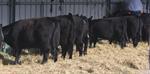
Beef cattle have a useful and necessary role in agricultural production. Beef provides protein and some minerals and vitamins which are necessary to human health and which balance other nutrients that are obtained from plant foods. Animal protein (meat) contains amino acids which are essential to the growth and development of humans. Beef cattle convert grass and roughage (which can't be eaten by humans) into high quality human food.
Comments from an ACS Student:
"I find that I can apply my new knowledge directly on the property; all assignments are relative to real life".
Chontelle - Beef Cattle student.
This comprehensive course covers topics such as -
- cattle breeds
- beef cattle production systems
- cattle breeding
- diseases in beef cattle
- nutrition for beef cattle
- commercial herd management
- feed lot management
- stud herd management
- management
- economics
- marketing
The course -
- Is self-paced - you work at your own pace and in your own time
- Can be studied online or by e-learning
- Can be started at any time to suit you
Lesson Structure
There are 10 lessons in this course:
-
Introduction to Beef Production and Beef Cattle Breeds
-
Role of Beef Cattle in Agriculture
-
Beef Cattle Breeds
-
British Breeds; Angus, Hereford, South Devon, Sussex, Red Poll
-
U.S. Breeds
-
European Beef Breeds
-
Australian Beef Breeds
-
South African Beef Breeds
-
Beef Breed Selection Criteria; Horned or Polled, Colour, Gestation Period, Milking, Meat Quality, Heat Adaptation, etc
-
Parts of the Animal
-
Cuts of Beef
-
Beef Cattle Production Systems
-
Systems of Production; extensive, intensive, semi-extensive, semi-intensive
-
Choosing a System
-
Cattle Handling Facilities
-
Materials Used in Cattle Handling
-
Identification; branding Ear Marking, Ear Tags
-
Dehorning
-
Castration
-
Dipping
-
Injecting Cattle
-
Drenching
-
Beef Cattle Breeding
-
Heritability
-
Performance Testing
-
Selection
-
Progeny Testing
-
Stages of Calving
-
Pure versus cross breeding
-
Cross Breeding
-
Calving percentage
-
Management factors to improve calving percentage
-
Weaning Calves
-
Male Reproduction System
-
Female Reproduction System
-
Pregnancy and Parturition
-
Structure of Mammary Glands
-
Secretion of Milk
-
Growth and Development of Calves
-
Post Natal Growth of Calves
-
Diseases in Beef Cattle (Viral and Bacterial)
-
Determining Animal Health
-
The Healthy Animal
-
Causes of Ill Health in Animals
-
Preventing Ill Health
-
Disease Types in Beef Cattle
-
Signs of Ill Health; Temperature, Pulse Rate, Respiration Rate
-
Other Signs that should be Noted
-
Viral Diseases in Cattle
-
Bacterial Diseases
-
Diseases in Beef Cattle (Parasites, etc.)
-
Parasitic Diseases
-
Protazoal Diseases
-
Other Ailments; Boat, Cancer, Arthritis, Beef Measles, Dystokia, Coccidiosis, Liver Fluke, Mastitis, Lead Poisoning, Plant Poisoning, etc
-
Nutrition for Beef Cattle
-
Feed Types; Water, protein, carbohydrate, fat, etc
-
Grain and Grain Feeding
-
Rations for Beef Cattle
-
Maintenance Rations
-
Supplementary Rations and Protein
-
Lot Feeding
-
Minerals
-
Common Macromineral Deficiencies
-
Common Trace Element Deficiencies
-
Vitamins
-
Water for Farm Animals
-
Proteins for Farm Animals
-
Build Up of Proteins
-
Biological Value of Proteins
-
Protein Content of Foods
-
Commercial Herd Management
-
The Commercial Herd
-
The Breeding Herd
-
The Stock Herd
-
Production Systems; Cow Calf Herd, Beef Production Systems Using Dairy Stock,
-
Feed Lot Management
-
Open Feedlot
-
Open Shed and Feedlot
-
Feeding Shed and Lot
-
Confinement Area Stalls
-
Managing Cattle in Lots
-
Problems with Feedlot Cattle
-
Feedlot Records
-
Pen Fattening
-
Stud Herd Management -
-
Time for Calving in Pedigree Herd
-
Feeding the Pedigree Herd
-
Fertility
-
Indicators of Fertility in Bulls
-
Indicators of Fertility in Cows
-
Management, Economics and Marketing
-
Economics and Marketing
-
Profitability
-
Factors Affecting Gross Output
-
Factors Affecting Variable Costs
What You Will Do
-
Visit a range of enterprises which may include farms, agricultural shows, and suppliers of farm products in order to research, photograph, describe and specify facilities in the places visited as a basis, or part basis, of assignment questions;
-
Identify beef cuts on a labelled diagram of a steer's body;
-
Judge a beef animal according to commonly recognised commercial standards;
-
Choose two breeds suitable for beef production in specified climates;
-
Observe and report on common cattle husbandry tasks, including dehorning, castration, dipping, vaccination, and drenching;
-
Explain methods that are used to control beef cattle movements;
-
Prepare a production schedule or timetable of husbandry practices for a typical beef cattle property in your locality for a period of 12 months;
-
Attempt to determine the nature and scope of beef cattle breeding in your state or country;
-
Explain the differences between and advantages of pure breeding and cross breeding;
-
Describe and explain management and other factors that can affect calving percentage and calf weaning;
-
Visit a supplier of health care treatments for cattle to determine what products (eg. dips, medicines etc) are available;
-
Describe a significant viral disease, including its identification, symptoms and control;
-
Interview someone working in the industry to determine the significance and nature of disease problems in beef cattle;
-
List parasites and related organisms that are significant to beef cattle in your region;
-
Report on the preferred food requirements for beef cattle on a beef property you have visited;
-
Explain common health problems affecting animals, including the circumstances under which animals contract health problems, and methods used to prevent the development of ill health.
-
Analyse physical indicator symptoms of ill health in animals.
-
Explain the diagnostic characteristics of the main types of animal pathogenic microorganisms.
-
Explain the methods used in the treatment of pests and diseases in farm animals.
-
Explain the role of inflammation, including it's symptoms and causes, in animals.
-
Determine the taxonomic class of animal pests and diseases.
-
Explain the biological processes which affect and control the immune system in animals.
-
Explain the biological processes which affect and control tissue repair in animals.
-
Determine procedures for the management of wounds to animals, on a farm.
-
Explain the processes involved in cellular change in animals.
-
Diagnose simple health problems in farm animals.
-
Develop guidelines for assessing general signs of ill health in beef cattle. These guidelines should consider diseases and nutritional factors;
-
List minimum equipment required to run a commercial beef cattle property. Equipment will include suitable machinery and tools;
-
In table form (or chart), distinguish between bulls, heifers and calves;
-
Describe three diseases affecting feedlot cattle;
-
List criteria for selecting cattle for a feedlot and state what characteristics of the cattle should be considered;
-
In table format with two columns, compare the management of beef cattle in feedlot with the management in a paddock;
-
Explain the management of a stud beef herd on a property you visited;
-
Explain the legal requirements and regulations concerning beef cattle;
-
Distinguish the following terms of grades of beef: prime, choice, good, standard, utility
Extract from Course Notes
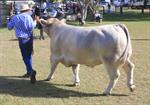
The ideal size for a breeding herd is 30 to 50 cows running with one bull. This is a single sire herd. Herds of this size need to be properly fenced and grazed on good pasture; and that is only justified with quality stock.
On large properties without smaller fenced paddocks, a satisfactory herd may be 100 to 150 cows with 4 or 5 bulls.
During the season, herds are broken down into smaller numbers, and built back up into larger herds, depending on the time of year. Herds may be divided up for supplementary feeding with in calf heifers, in calf cows, and cull cows, being run in separate herds, and fed at different levels of nutrition. In the case of young stock, herds of up to 500 animals are suitable, provided that the handling facilities are large enough.
PRODUCTION SYSTEMS
The options available are limited only by the farmers imagination; and of course a determination of what is viable.
Some systems may depend upon obtaining stock (ie. calves) from dairy cattle, while other systems may breed stock specifically for beef production.
Cow-Calf Herd
This system is based upon breeding cattle to suit the environmental and other conditions on a farm. It is the oldest and most widely established system in many parts of the world.
This may involve either:
- A pure breed cow-calf program
- An F-1 Hybrid program (ie. where two different pure breeds are crossed)
There is an advantage in breeding controlled F-1 hybrid cattle for beef, in that these animals can be bred to possess "hybrid vigour". In essence, these F-1 calves are more vigorous and more productive to raise for beef, than what their parents might be. The characteristics of these animals may be variable though, and if used for breeding themselves, the farmer risks loosing the advantages of the initial cross. Pure breeds must therefore be maintained in order to produce calves with predictable hybrid vigour.
BEEF PRODUCTION SYSTEMS USING DAIRY STOCK
Vealer Production
Calves are run with their mothers at pasture till 10 to 12 months of age, when they are culled for slaughter. This system works well for Hereford X Friesian or Angus X Friesian, which have more milk, and are therefore able to support calves better than some other breeds. These crosses also have better genetic vigour than some other breeds.
Veal Production
Here calves are lot fed indoors for slaughter at 4 to 5 months of age. They may be either:
- Totally fed milk to produce white meat, or
- Weaned from milk to concentrates to produce pink veal.
Grass Finished Steers or Bulls
These are slaughtered at 18 to 24 months of age. Australian bulls produced this way are commonly sold to the American market, while steers are sold locally.
Grain Fed Dairy Steers
Feeder steers are bought when 12 months old and grown on in a feed lot for about 10 months, then slaughtered.
Cull Dairy Cows
Mature animals culled from dairy herds are generally sold for low grade beef.
Why Study This Course?
This course is suitable for anyone wanting to understand more about beef cattle health and wellbeing, beef production and beef cattle husbandry.
It is suitable for -
- farmers and farm workers
- small holders
- veterinary assistants
Anyone working with, or wanting to work with beef cattle.
Would you like to improve your knowledge and understanding of beef cattle husbandry?
Would you like to improve your job and career prospects in the beef cattle industry?
Then this is the course for you.
Any questions before you get started?
Click here to ask a question.
Request a Handbook here.