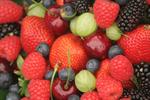
BERRY PRODUCTION COURSE
- Learn how to grow berry fruit
- 100 hour, self paced distance education course.
- For the enthusiast or commercial grower.
- Covering all aspects of the propagation, care and cultivation of common (and uncommon) berry fruit; with opportunity to specialize with one type of berry.
Berry Fruit Production can be a very intensive form of horticulture. When compared with orchard or vegetable production, you may well produce more on a smaller property with berries; but the cost of establishing and maintaining a berry crop may be more per square metre. Some berry crops are grown in greenhouses or under netting; while others are grown in the open ground.
Lesson Structure
There are 8 lessons in this course:
-
Introduction
-
Review of the system of plant identification
-
Plant Families, Species, Cultivars, Varieties
-
What is a Berry -Botanical Characteristics (Simple fruits, Compound Fruits)
-
Resources
-
Which Varieties to Grow
-
Site Selection,
-
How much land
-
Site Characteristics
-
Climate
-
Winter Chilling Requirements
-
Biological Considerations
-
Further Considerations affecting what to Grow
-
Review of Significant Berries including
-
Blackcurrant
-
Blueberry
-
Brambleberry
-
Blackberry
-
Other Rubus species
-
Cranberry
-
Gooseberry
-
Grape
-
Kiwi Fruit
-
Passionfruit
-
Raspberry
-
Strawberry
-
Lesser Grown Varieties of Berry Plants
-
Alpine Strawberry
-
Cape Gooseberry
-
Elderberry
-
Goji berry
-
Guava
-
Hardy Kiwi Fruit
-
Lingonberry
-
Pepino
-
Tree Tomato
-
Mulberry
-
Production Plan for Berry Cropping
-
Culture
-
Soils
-
Planting
-
Staking
-
Mulching
-
Watering
-
Pest & disease
-
Feeding
-
Pruning
-
Protection from wind, salt, air, etc.
-
Propagation
-
Methods of propagating berries
-
Seed, Cuttings, Layering
-
Aids to Propagation
-
Hardening off Young Plants
-
Propagation of selected varieties
-
Weed Control & Irrigation
-
What is a Weed
-
How Weeds Spread
-
Preventative methods of Control
-
Eliminating growing weeds
-
Identifying Weeds
-
Water Infiltration and Retention
-
Drainage
-
Improving water Infiltration
-
Soil Moisture Classes
-
Measuring Water Available to Plants
-
When to Irrigate
-
Irrigating Berry Crops
-
Harvesting & Marketing Berries
-
When and How to Harvest
-
Understanding Fruit Ripening
-
Harvesting Techniques
-
Post Harvest Treatments
-
Commercial Berry Growing
-
Marketing Berries
-
The Marketing Process
-
Understanding Supply and Demand
-
Cost, Quality and Quantity characteristics in a Crop
-
Farm Layout for Better Management
Aims
-
Differentiate between different types of berry fruit cultivars.
-
Determine varieties of berry fruit suitable for growing in a specified locality.
-
Explain the cultural treatment for a range of berry fruits, in specified situations.
-
Determine how to propagate a range of different berry plants.
-
Explain the harvesting of different berry crops.
-
Develop strategies for commercial success in a berry fruit enterprise.
What You Will Do
-
A photo, illustration or pressed specimen
-
Cultural details
-
Harvest and post harvest
-
Uses (eg. valuable products).
-
Develop criteria for the selection of suitable berry fruit varieties, to grow in a specified locality.
-
Evaluate the performance of four different berry varieties growing in the learners locality.
-
Determine appropriate varieties of different berries to grow in a specified locality, including:
-
Strawberries
-
Brambles
-
Other berries.
-
Describe an appropriate planting method for each of three specified genera of berry fruits.
-
Illustrate an appropriate pruning methods for each of four different genera of berry fruits, using sequences of drawings, photographs, or video.
-
Determine appropriate irrigation practices for two different, specified berry plantings.
-
Develop feeding programs for a twelve month period, for three different berry crops suited to growing in the learner's locality.
-
Conduct simple soil tests to determine soil characteristics relevant to a proposed berry planting in the learner's locality. Soil tests should include:
-
Soil type
-
Water holding capacity
-
pH
-
Drainage
-
Recommend appropriate soil preparation for the tested soil, in 3.5, prior to planting a specified berry crop.
-
Compare four different weed control practices appropriate for specified berry crops.
-
Develop soil maintenance programs for a twelve month period, on a monthly basis, for three different berry crops.
-
Identify ten different health disorders (e.g. pests and diseases) on berry plants in the learner's locality.
-
Develop a pest and disease control program for a twelve month period, for a specified berry crop.
-
Describe different methods for propagating five specified berry plants, including:
-
Cuttings
-
Runners
-
Division
-
Layering
-
Demonstrate cutting propagation of two different berry species.
-
Produce marketable berry plants representing two different genera, either as bare rooted or container plants.
-
Compare the commercial viability of propagating one specified berry by two alternative propagation techniques.
-
Explain how to determine when five different types of berries are ready for harvest.
-
Describe different methods for harvesting five different types of berries, including:
-
Manual
-
Mechanical
-
Explain the harvesting of five types of berries before they are ripe, and ripening of the berries off the plant.
-
Determine appropriate post-harvest treatments for a specified commercial berry crop.
-
Develop a resource file of thirty items of information relevant to the berry fruit industry, including:
-
Suppliers of berry plants
-
Trade or grower associations
-
Publications
-
Determine criteria which are significant in the commercial success of a specific berry farm, visited by the learner.
-
Explain how a range of five different berries are prepared for the market.
-
Prepare a chart of ten different berry species that lists their shelf life.
-
Evaluate the commercial viability of three different methods of packaging and presenting berries for sale.
-
Compare common marketing strategies for berry fruits, including:
-
Selling at wholesale markets
-
Selling on contract to chain stores
-
Selling to processors
-
Roadside stalls
-
U-pick selling
-
Develop a marketing plan for one specified type of berry fruit.
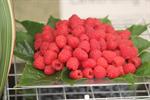 Learn to Understand Ripening and Harvesting
While different varieties may have specific harvest requirements, there are general principles that relate to all berry fruits.
Firstly, a harvest should be regarded as the most important part of the entire production process. Even if excellent preparation and production techniques have been put in place, fruit can be ruined by incorrect harvesting. The importance of this event, therefore, requires extra attention by the producer.
The timing of the harvest is always very important, although, some berry crops are more forgiving than others. The producer should have a clear idea of what their markets are. For example, berries that are destined for the fresh market need to be picked well in advance of their state of full ripeness. Ideally, these high value berries will go through harvesting, transport, storage and the retailing process before showing any signs of being over ripe e.g. softening of the flesh of skin colour degradation. High quality, fresh market berries usually demand the best prices for the producer, however, if harvested too late or too early the fruit’s value can decrease significantly. Berries grown for processing, such as canning or juicing, can be permitted to reach a more advanced state of ripeness before picking.
Often the difficult part of berry production can be recognising the appropriate harvest time. This can be even more difficult by the rapid changes that can occur with many berries during the ripening process. Depending on climatic conditions, certain berries can go from under ripe to over ripe in a matter of two days. This is especially true for berries produced on plastic covered, raised beds. Black plastic, especially, will cause both an elevation of temperatures on the bed surface and raised temperatures overnight. Increased temperatures result in greater metabolic activity and more rapid ripening. The producer must keep in mind that if temperatures are high the berries must be observed everyday and picked at the appropriate time. A ‘not quite ripe’ berry on Friday could be a valueless, over ripe berry by Monday morning. The utilization of low tunnels in production will also impact the speed of ripening. These covers will also change the micro-climate surrounding the plant and, hence, impact metabolism and ripening. If over ripening is a concern, the covers can be removed either during the day or in the evening.
Why not be extra cautious and pick your berries well before they have reached the peak of ripeness? All fruit and vegetables go through a series of complex physiological changes during their development. The various sugars that are necessary for a fruit to be considered ripe accumulation during the plant’s growth; the delicate balance between acid content and sugar content is an indication of a berries state of ripeness. The berry needs to be given the opportunity to develop its full sugar content and loss its bitter, acid taste. Other important volatile chemical compounds will also develop during the ripening process. These compounds are related to the flavour characteristics of the berry. If not fully realised, the lack of both sugars and volatile compounds will rob the berry of the complex, valuable tastes that are very important to both the quality and enjoying of the fruit. Fruit continues to metabolize even after harvest. Often berries will continue to develop flavour and sweetness post-harvest. Even if picked several days ‘under ripe’ they may reach the retailer or consumer in ideal eating condition. However, if picked too early the necessary chemical changes have not occurred in the fruit and the sugar will not peak post-harvest.
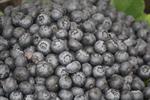 The indicators of ripeness can vary between berry types. The producer needs to be cautious about applying a general set of ripeness indicators. Colour can be a primary indicator of berry ripeness, but, it is not always completely reliable. An experienced grower will come to recognize the characteristics of colour change that are applicable to the berry they are growing. Often, instead of looking at overall colour, the grower will look for tell tale colour changes at the poles of the fruit. For example, a green berry may develop a white or coloured star at its base, indicating the beginning of the ripening process.
This subtle but specific colour change may be enough to indicate to the grower that he should prepare for harvesting.
Ripening of the entire berry crop can occur within a relatively short period. This can be beneficial to the grower in that they are able to organize and conduct the harvest over a finite period of time, possibly just a few weeks. The harvest is usually the most labour and resource intensive part the entire production process. This can be true with both manual and mechanical harvesting. Modern harvesting techniques that utilize machinery specifically design for each type of berry type can greatly decrease either time or effort with the actually fruit picking and packaging. However, labour is still required to prepare the machinery, prepare the field, sort and grade the harvested crop and maintain the equipment in optimal running order. Often temporary labour is employed, whether it is for manual picking or mechanical harvesting. The harvest can be the most expensive time of the year for the producer. In tight markets, the farmer will find it essential receive maximize value for the crop in order to cover costs and provide income.
Every type of berry ripens in a different way, and under different conditions.
As you learn about the different types of berries through this course you will develop an understanding and appreciation of the many factors that impact upon the growth, development and ripening of different cultivars; from genetics to temperature and light intensity to humidity. With understanding comes an capacity to apply this knowledge in different situations; and through the application of knowledge to different situations, your understanding strengthens and your ability to grow a wide variety of berries successfully will improve.
 Why Study With Us?
Education doesn't stop with finishing school or completing a qualification. Education is a lifelong pursuit. Whatever you have studied previously goes towards your own foundation - your knowledge and your skill set. But it's never too late to add to that foundation. Here at ACS we promote learning because we recognise the importance of continually striving to improve your understanding, and the benefits it will bring to you, both now and into the future.
How Can This Course Help Me?
This course is not just theory! You learn by observing things, encountering new perspectives on old ideas and by doing things related to berry production. The net result at the end of this course will be a greater ability to work or develop business opportunities in the berry industry.
Take this course if:
- You wish to grow berries for home use or market gardening.
- You wish to grow berries for the horticulture or agriculture industries.
- You would like to enhance your knowledge of running or improving an existing berry growing business.
This course may be studied by itself or along with other 100-hour modules as part of a self-designed proficiency award, certificate or higher level qualification.