Learn to Identify, Propagate, Grow and Cook with Culinary Herbs
- Develop your skills and experience the delights of cooking adventurous new recipes with herbs
- Learn about drying and other methods of preserving the flavour (e.g. herb oils, salt, vinegar).
Comments from students
"I have found the course interesting, and it has expanded my knowledge of herbs immensely" D. Christian
" I wanted to study herbs .... ACS offered the best option - study at home, at my own pace and still tutor contact when I needed it. I was undecided in the facet of herbs that I wanted to specialise in - that was until I completed an assignment to produce three herbal products. My tutor tested my products and encouraged me to set up a small business making and distributing a range of natural herbal cosmetic and household products. His guidance has helped me establish an interesting and profitable business from my studies"
- Catherine, studying Certificate in Applied Management
Lesson Structure
There are 8 lessons in this course:
-
Introduction
-
Review of the system of plant identification
-
general characteristics of culinary herbs
-
information contacts (ie: nurseries, seed, clubs, etc.).
-
Culture
-
Planting,staking
-
mulching
-
watering
-
pest & disease
-
feeding
-
pruning
-
protection from wind, salt air, etc.
-
Propagate and create a Kitchen Garden
-
Propagation
-
Creating a Kitchen Garden
-
Growing in pots, inside, or in the open ground.
-
Cooking with Herbs.
-
Culinary uses of herbs
-
Herb teas and recipes
-
Fresh and dried herb use.
-
The Most Commonly Grown Varieties.
-
Other Important Groups.
-
The Lamiaceae family- one of the most aromatic and flavoursome herb families.
-
Lesser Grown Varieties
-
How to cook with lesser known herbs.
-
Special Assignment
-
On one selected plant or group.
Aims
-
Describe the plant naming system, the major family groups that herbs fall into and the resources available to the culinary herb grower.
-
Describe how to manage the cultural requirements of culinary herbs.
-
Describe the various methods of propagation, both sexual and asexual, the treatments generally used for seed storage and the handling of cutting material.
-
Explain the way in which herbs are used in cooking and which herbs best suit various dishes.
-
Discuss the most common herb varieties used in cooking.
-
Compare a range of culinary herbs in a single plant family.
-
Discuss a range of lesser grown culinary herb varieties.
-
Explain the uses of a range of culinary herbs within a specific group of herb plants.
It all Starts with Accurate Plant Knowledge
You must be able to identify a herb before you eat it.
Some herbs may be great as a medicine or bath oil; but that doesn't make them safe to eat.
Any good culinary herb course must then, first start with the identification of the herbs. Once you know what a herb is, you can then progress to learning how to grow it, how to harvest it, and how to use it with your food. This course will teach you all of this and more.
There are hundreds of Culinary herbs which you can discover, experiment with and learn about. Here is just one:
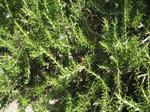 Rosemary
The common herb Rosemary (Rosmarinus officinalis) is characteristically grown as a plant in the herb garden for harvesting short sprigs that are used in the kitchen. It can also be used as an ornamental plant for hedges and greenery around other plants. Low growing (groundcover) varieties can be used in hanging pots, garden planters and in raised garden beds to spill over the edge to soften the landscape. When you clip it to maintain the hedge or shape, you can use these clippings in the kitchen. New flower colour forms have been released in the past few years although most gardeners prefer the traditional light blue flower form.
Rosemary grows best in full sun and well-drained soil. Do not over fertilise or use excessive mulch, although compost dug into the soil prior to planting is beneficial. When watering the plant, try not to wet the foliage too much, especially in the heat of summer, as Rosemary does not like excessive humidity.
USES: leaves fresh or dried to flavour meats, soups, vegetables, in vinegars, chutneys, etc. Rosemary has also been used as a garnish and flavouring for strong tasting fruit, such as Citrus. Rosemary can also be used in herbal teas, but be careful not to overdo it – lemon, honey or a few lavender flowers may be added for extra flavour.
 CONSIDER HERBAL TEAS
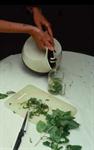
You can make your own teas quite easily and drink them to give yourself a rich boost of vitamins and minerals, to help treat simple conditions such as headaches, an upset stomach and insomnia or simply to provide an alternative beverage to your usual repertoire.
Herbal teas have stood the test of time. In fact, they've been consumed for thousands of years in all parts of the world and in most cultures. And for good reason too. Not only can they taste really good, teas are able to capture more than half of the valuable nutrients from the plant material - nutrients which could otherwise go to waste.
Growing Your Own Herbs for Teas
If growing your own herbs for use in teas, there are some points worth noting. Firstly, some herbs are annuals whereas others are perennials. Perennials are usually the woody stemmed types like sage, thyme, oregano and rosemary. Annuals are fleshier like coriander and basil. However, where you live can influence the lifespan of herbs. Many annual types do better in warmer regions where they can last indefinitely. In colder areas they are unlikely to withstand the winter temperatures and will die off.
Use herbs that are species plants rather than cultivated varieties – the latter are thought to have fewer active constituents (in some cases).
The quality of the herbs is also determined in part by your local climate. Most herbs need a lot of sunlight in order to promote oil production. It is the essential oils in herbs which produces their unmistakable aromas, and which provides flavour when ingested in food or infused in teas. If you are growing herbs in a cooler climate you will therefore need to position them where they can benefit from the most exposure to sunlight
Many perennial herbs do not need particularly rich soils, but most thrive in a warm and sunny position. A few herbs such as rocket, parsley, mustard, and the mints, which make wonderfully refreshing teas, prefer a semi-shaded spot and moist soils. With some herbs, like the mints, there are also many different species, each with their unique taste. Why not grow several different types for a range of different teas?
Mints also have very invasive root systems, as do some others like horseradish, so they are best grown in containers to stop them from taking over garden beds. Containers are ideal for many other herbs too because it means you can move the containers to catch sunlight, and you can place them in the shelter of a greenhouse over winter if needs be. It is usually best to grow individual species in separate containers if space permits, since they may grow at different rates. Annuals and tender perennials grown in the open ground can be protected with a cloche or cold frame over winter.
WHO CAN BENEFIT FROM DOING THIS COURSE?
Knowledge of culinary herbs is useful:
- In the home to create more interesting meals everyday
- For catering businesses to understand which herbs go with what
- For chefs and cooks to expand their menus
- For herb businesses such as small herb nurseries
- For those working on a herb farm or wanting to set one up.