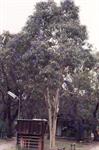
Become an expert with identification and culture of Eucalypts
This is an excellent introduction to the genus Eucalyptus, covering identification, culture (propagation, soils, landscape uses, feeding), and uses. Throughout the course you build both a knowledge of the group as a whole, and of the range of species you can identify
Lesson Structure
There are 8 lessons in this course:
-
Introduction
-
Scope and Nature of Eucalypts
-
Taxonomy; Review of the system of plant identification
-
General characteristics of the Myrtaceae Family
-
Subdivisions of the genus Eucalyptus
-
Popular subdivision into gums, box, stringybark, messmate, mallees, etc
-
Hybrid Eucalypts
-
History of Eucalypt taxonomy; botanical renaming and Corymbia
-
Plant Name Pronunciation
-
Eucalypt Flower Structure; inflorescence, flowers
-
Eucalypt leaf structure
-
Resources and further Information; nurseries, seed, herbaria, etc.
-
Culture
-
Soils and Soil Structure
-
Soil Chemistry
-
Nutrition
-
Fertilizers
-
Summary of Eucalypt characteristics and culture
-
Planting technique
-
Tree Guards
-
Pest & disease that are commonly found on Eucalypts
-
Watering
-
Weed Control
-
Soil Testing
-
Propagation
-
Scope and nature of Eucalypt Propagation
-
Treatment of Seed during Germination
-
Substrates for starting seed
-
Transplanting Seedlings
-
Potting up
-
Commonly grown Varieties of Eucalypts
-
Scope and Nature of Eucalypt Culture in Australia and elsewhere around the World
-
Review of many commonly cultivated Eucalyptus and Corymbia species
-
Other important groups.
-
Introduction
-
Hybrid Eucalypts
-
Why Breed Eucalypts
-
Review of Mallee Eucalypts
-
Review of Gums
-
Lesser grown varieties.
-
Boxes
-
Bloodwoods
-
Peppermints
-
Strigybarks
-
Ironbarks
-
Making the best use of Eucalypts
-
Introduction
-
Timber Production
-
Oil Production
-
Where to Plant Eucalypts; amenity trees, natural and bush gardens, xeriscapes
-
Agroforestry
-
Techniques for Planting on SlopesPlanting on Arid Sites
-
Growing in Dry Areas; overcoming dry conditions, sandy soils
-
Eucalypts and Fire Management
-
Windbreak Planting
-
Plant Selection
-
Understanding Plant Interelationships
-
Special Assignment
-
Problem Based Learning Project
-
Plan the establishment of a collection of different cultivars of Eucalypts
-
eg. Gums, Mallees, Tall Trees, Short Trees, or Dryland Species, suited to growing in a specified locality.
Aims
-
Describe the classification of Eucalypts.
-
Discuss general cultural requirements for growing Eucalypts.
-
Propagate Eucalypts.
-
Differentiate between identifiable characteristics and cultural requirements in a number of commonly cultivated Eucalypts.
-
Discuss characteristics of a wider range of Eucalypt species.
-
Describe commercial uses for a range of different Eucalyptus species.
-
Plan the establishment of a collection of different cultivars of Eucalypts (eg. Gums, Mallees, Tall Trees, Short Trees, Dryland Species), suited to growing in a specified locality.
What are Eucalypts?
Eucalypts were only really discovered and named in the late 1700's when Europeans settled in Australia.
Not long after first settlement; botanists decided to separate out one group of these plants (ie. Angophora) into a separate genus. This was because the flowers were obviously very different to all other Eucalypts.
In more recent times; many of the "experts" have separated "blood woods" apart from the other Eucalypts, creating a further genus, called "Corymbia". A smaller number (the Ghost Gums) are also separated by some into a further genus called "Blakella"
Many people who grow eucalypts don't use these different names but many others do. If this sounds confusing; it is -and perhaps that is one of many reasons why you might do this course.
The following generic names are therefore all used for eucalypts: Angophora, Eucalyptus, Corymbia and Blakella.
Some of the characteristics that differentiate these different groups include:
- Eucalyptus and Corymbia have alternate adult leaves; while the adult leaves of Angophora are arranged opposite on the stems)
- Eucalyptus and Corymbia flowers have a cap (operculum) which falls off as the flowers open, but Angophora flowers have no cap.
- Angophora and Corymbia flowers occur in "corymbs". This is a structure where flower stalks develop from different levels on the stem, but once fully open, all flowers occur on the same plane (more or less)
WHO CAN BENEFIT FROM THIS COURSE?
- Gardeners
- Farmers
- Foresters
- Landscapers
- Nurserymen
- Anyone else who deals with planting or managing trees
Some of our students take this course because they have a simple passion for eucalypts; but for most, they are enhancing their knowledge of eucalypts in order to help them in their business or career.
Eucalyptus is an important genera for plant nurserymen, landscapers and foresters the world over. It's commercial significance is so great that some academics devote a significant part of their career to research or cultivar breeding of eucalypts.
Different students will have different reasons for studying this course. All though, will complete the course with an expanded knowledge and awareness, as a step toward ever expanding expertise with the genus Eucalyptus.