ONLINE or DISTANCE EDUCATION COURSE -PHOTOGRAPHING PEOPLE
PHOTOGRAPHING PEOPLE IN NEW AND INTERESTING WAYS.
When we think of photographing people, we automatically think of taking a portrait, but not all people photography is portraiture. People can also be photographed in other ways, where the focus might not be the individuals being photographed, but the social or cultural context (fashion, news events, sporting events etc.) or their relationship to the scene in which they are placed.
This course will cover all these areas, including portraiture and much more.start your own business
- find work with a photo shop or studio
- supplement your income photographing events, weddings, parties, etc.
Lesson Structure
There are 10 lessons in this course:
-
Introduction
-
Common Considerations (People move, moods are uncontrollable, people dress differently, subjects can change)
-
Digital or Film
-
Resources
-
Photo Composition
-
Unity
-
Balance
-
Proportion
-
Harmony
-
Contrast
-
Rhythm
-
Line
-
Form
-
Mass
-
Space
-
Texture
-
Colour
-
Patterns
-
Tone
-
Camera Techniques
-
Principles of Light
-
Mood
-
Colour Control
-
Terminology
-
Equipment, Materials and Studio Work
-
Lenses
-
Aperture
-
Type of film
-
Digital
-
Filters
-
Lighting
-
Basic Studio
-
Flash
-
Basic Techniques
-
Body Language
-
Clusters
-
Context
-
Culture
-
Willingness of Subject
-
Hiding and Highlighting Features
-
Informal or Formal
-
Enhance character with surroundings
-
Composition and lighting
-
Subject
-
Context
-
Subject Placement
-
Lines and Paths
-
Creating Effects
-
Composition
-
Rule of Thirds
-
Rapport
-
Subject Placement
-
Lighting
-
Lenses
-
Setting the Scene
-
Developing a Portrait Style
-
Portraiture
-
Studio
-
Outdoor
-
Available Light
-
The Face
-
Portraiture
-
Procedure
-
Posing
-
Wedding Photography
-
Introduction
-
Creating Romance
-
Managing People
-
Planning
-
Other Considerations
-
Digital Wedding Equipment
-
Lighting (Rain, Sun, Dull days)
-
Candid Photography
-
Introduction
-
Candid Techniques
-
Photographing Events
-
Outdoor and Indoor
-
The Photo Essay
-
Model Release Forms
-
Nude Photography
-
Study of the Human Form in Western Art
-
Nude or Naked
-
Cultural Conventions
-
Athletic, Dynamic Nudes
-
The Nude in Nature
-
Portraits and Self Portraits
-
Bedroom Nudes
-
Erotic and Pornographic Nudes
-
Nude Photography
-
Sports, Street and Action Photography
-
Sports
-
Equipment
-
Freezing Action
-
Blurring Movement
-
Panning
-
Viewpoint
-
Digital Cameras
-
Sports photography tips
-
Streetscapes
-
Water as a setting for photography
-
Fashion Photography
-
Guidelines for Fashion and Glamour Photography
-
Special Equipment and Techniques
-
Fault Finding
-
Folio Project
-
Introduction
-
Purpose of a Folio
-
Types of Folio
-
Framing
-
Other Ways to Use Your work
-
Create a photo essay or portrait album
Aims
-
Identify resources that could improve your ability to photograph people, examining the principles of photography and also exploring the issues related to digital photography.
-
Discuss the preparation for a photo shoot by exploring the different equipment and materials needed for a successful shoot. Also examine lighting a subject within a studio setting and explores digital photography issues
-
Discuss techniques used for taking photos of people
-
Improve your ability to shoot better portraiture photographs.
-
Explain the issues and applications concerned with wedding photography.
-
Take better candid photos of people.
-
Describe how to take appropriate nude photos for different situations.
-
Describe how to take action photos of people.
-
Describe how to take better glamour and fashion photos.
-
Compile a folio of people photography.
Tips for Photographing People
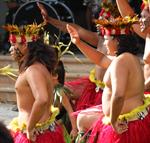 People move
People are one of the few subjects that can move. If they move fast, a fast shutter speed may be needed to keep the subject in focus (so the photo is not blurred). Because people move, sometimes the photographer needs to work fast before they move away from the camera.
People dress differently
The same person can look different according to the clothing or make up they wear. Similarly, dress and make up can be used to make different people appear alike.
The subject can be changed
When you photograph a statue, you can change the time you take the photo, the equipment you use, or the placement of the camera; in fact anything external to the subject can be changed, but the subject (ie. the statue) is always the same. Unlike inert objects (or most landscapes in the short time frame), living subjects (animals and people) can change considerably from moment to moment.
People’s moods can be uncontrollable
To capture the best portrait of a person you need to have them in an appropriate mood. A person can, for instance, appear happy one day and sad the next. An individual may co-operate with one photographer and not with another. Such considerations can, and probably will, impact upon the final image which the photographer captures.
Everyone is Unique
To capture someone’s uniqueness in a photograph is the key to a successful portrait. That uniqueness may be perceived in a fleeting facial expression or in a specific pose a person strikes. Sometimes either or both of these plus the clothes and or the background of the subject will reveal a ‘moment of truth’ about the subject. Other portraits will reflect the photographer’s perception of the individual being photographed. It is a difficult task for it to achieve both.
Staging the Person
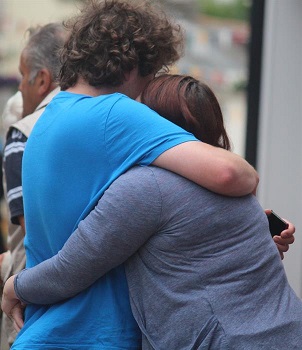 If you intend to capture an individual’s personality accurately on film, you first need to know that individuals personality. A good photographer needs to learn to observe people and understand their body language. Often your subject may not be aware of things themselves, which you should be aware of. Take note of the way they move, how they hold their hands and head, how they look at people (eg. do they tend to look straight into someone’s eyes when they talk to them, or do they look away or down).
Body language is the non-verbal signals that are responsible for 60 to 80 percent of the impact of your message onto the listener. This means, that although your spoken communication is essential, most of your communication is done with your mouth shut.
When reading body language, you must be aware of and look out for the three guides: clusters, context and culture.
Clusters
It is commonly thought that specific signals indicate a specific intention eg. rubbing the nose may indicate lying. This is not entirely right. A person rubbing his nose may have a cold, may have eaten garlic and is covering his bad breath, may have an itchy nose. The key to reading body language is to read the "Clusters". These are groupings of signals that tend to lead to a correct reading of the body signals.
If a client said "Yes. I understand that." looking alert and directly at you, you would most probably read it as he/she was telling the truth. But if the client had his/her fingers over their mouth, looked down as he/she said part of the reply and fidgeted with a pen, you would notice the cluster and read it as the client not understanding your advice (nor listening, most probably).
A person with arms crossed may indicate the person putting up a barrier between them and you. It could also mean their arms are cold, or in an amicable situation it could indicate they are deep in thought. If the situation seems serious or confrontational the person may be in opposition to your ideas, and together with other cluster signs such as the person leaning away from you and a harsh blank facial expression you could rightly read that this person is feeling annoyed/hostile towards you.
Context
Context is important to understand. Make sure the body language you are reading is in context for example you shouldn’t assume that because someone you are talking with has their arms crossed therefore they are being hostile towards you when they are actually just cold. You may be able to remedy the situation by closing the window. Similarly, a client who is yawning may be bored by you, but by enquiring about their night before it is found that they had a late night.
Culture
Culture is important when dealing with customers from different cultural backgrounds. A signal in one country may mean something else in another country. A classic signal is the thumb and pointer finger touching in a circular shape. For Caucasians this means "OK" or "spot on". For Northern Greek or Maltese people this is an insult that can mean that they are homosexual.
Body language is a tool to assist you in your understanding your subject. It requires a keen eye and careful study of the subjects to read their language correctly.