Study Animal Behaviour
- Online Animal Behaviour Course | Self-paced | Start anytime | Payment Plans available.
- Learn why animals behave the way that they do | Study influences and motivation on animal behaviour | Impact of genetics and the environment on how an animal behaves | Animal perception | Social Behaviour | Aggression | Handling animals | Dealing with difficult behaviour |
- 8 lessons | 8 Assignments including practical exercises and theoretical questions.
 Tutored by highly experienced, university educated trainers who can help you learn much, much more about animals and how they think.
- Useful for careers in animal care and behaviour | veterinary assistants | animal carers | pet owners | pet store workers | animal control officers | companion animal trainers etc.
Lesson Structure
There are 8 lessons in this course:
-
Introduction: Influences and motivation. What is behaviour; causes of behaviour (eg. genetics; learning; external and internal influences); reactive, active and cognitive behaviour; conditioning.
-
Genetics and Behaviour. Understanding biology; natural selection; genetic variation; development of behaviour; behavioural genetics.
-
Animal Perception and Behaviour. How animals perceive things; what stimulates them and how do those stimuli function; instinct; neural control; sensory processes: sight, sound, hearing etc.
-
Behaviour and the Environment. Coordination; orientation; homeostasis; acclimatisation; circadian rhythms; biological clocks; reproductive cycles; etc.
-
Social Behaviour. Animal societies; aggression; social constraints; social order; play; sexual behaviour; communication.
-
Instinct and Learning. Conditioning and learning; extinction and habituation; instrumental learning; reinforcement; operant behaviour; biological and cognitive aspects of learning.
-
Handling Animals. Psychological affects of different handling techniques. Training animals (horses, cats, dogs, etc). The student can choose which animals to focus on, though a variety are covered.
-
Behavioural Problems. Abnormal behaviour (eg. Psychotic; neurotic); domestication of animals; reducing human contact/dependence.
Aims
-
Develop your understanding of animal behaviour, and your ability to apply that to the handling of a variety of different types of animals.
-
Identify factors affecting animal behaviour.
-
Describe the influence of genes on animal behaviour.
-
Explain how animals perceive and how they respond to various stimuli.
-
Explain the influence of environment factors, such as circadian rhythms, on biological clocks, reproductive cycles, orientation and other animal behaviour.
-
Explain the social influences on animal aggression, play, sexual behaviour, communication and other behaviours.
-
Describe different ways that animals learn (such as conditioning and habituation) and some effects of learning on behaviour.
-
Discuss psychological implications of different handling techniques.
-
Identify abnormal animal behaviour (e.g. psychotic, neurotic behaviour) and ways to reduce dependence on humans.
What You Will Do
-
Observe an animal in the zoo, in the wild, or a domestic animal. Try to observe what you consider to be an example of operant conditioning. Make notes.
-
Talk with an animal breeder (amateur or professional). This may be a pet owner whose cat or dog has given birth; or it may be a farmer, dog breeder, horse breeder, bird breeder or some other animal breeder.
-
Write a paragraph describing the behaviour of an animal (real or contrived) which utilizes the different words you learnt under 'terminology' in this lesson.
-
Classify the following animals according to whether they are endo-therms or ectotherms; a dog, a penguin, a single celled protozoa, a lizard. How is heat lost from endo-therms to the environment, and how can this heat loss be reduced?
-
Observe an animal while it is on its own. Make notes of how it behaves. Observe the same animal or species of animal in a group situation or in the presence of one other animal of the same species. Make notes on its behaviour and pay attention to any noticeable differences compared to its solitary behaviour.
-
Visit a zoo, wildlife park or farm where animals are being confined in some way, and observe the behaviour of one particular type of animal over the course of an hour. This can be any animal you choose to study. Make notes on its behaviour, and any problems that you would anticipate with handling.
Why Do Animals Migrate?
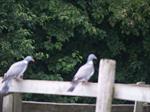 Migrations can involve traveling short distances or long (across half the world).
The Arctic tern flies 8000 km from the Arctic to Antarctic, and back every year. Such long distance migrants use their fat deposits as fuel, making stops to feed along their route. Many questions remain unanswered regarding bird migration. We do know that weather patterns can affect the particular time when a migratory flight starts, and how long the flight will last before the bird needs to rest & feed. It is also known that birds use navigational aids such as:
- Star patterns
- The sun
- Topographical features they fly over
- The magnetic grid of the earth.
It seems that like so many other behavioural patterns in fish, mammals and birds, the urge and ability to migrate is innate, or instinctive, to all those who migrate.
Reasons for Migration:
- To avoid unfavorable conditions
- To avoid over-population
- Reproductive advantages
- Seasonal changes.
Should you study animal behaviour?
-
Do you want to learn more about animals and why they behave the way they do?
-
Do you want to understand how to help animals who are showing behavioural difficulties?
-
Do you want to understand why animals are aggressive or insecure or anxious?
-
Do you want to work with animals and understand their behaviour?
-
Do you are considering setting up as an animal behaviour consultant?
-
Do you have animals and want to understand why they behave the way they do and train them in an effective way?
-
Do you want to work with highly qualified, highly experienced and FRIENDLY tutors who will help you every step of the way?
-
Do you want to study in the comfort of your own home, and begin your fascinating journey into animal behaviour?
If you are answering yes to these questions, then this could be the course for you!
Any Questions?